

Ruby Surgical
Pharmaceutical-Grade Cotton Products • Batch Manufacturing Record (BMR)Digitizing Pharmaceutical-Grade Cotton Manufacturing with Batch Manufacturing Records
Discover how Ruby Surgical transformed pharmaceutical-grade cotton manufacturing by establishing a connected digital workflow from sales order and BOM-driven material planning through incoming raw material quality inspections, test reports, and fully traceable Batch Manufacturing Records (BMR).
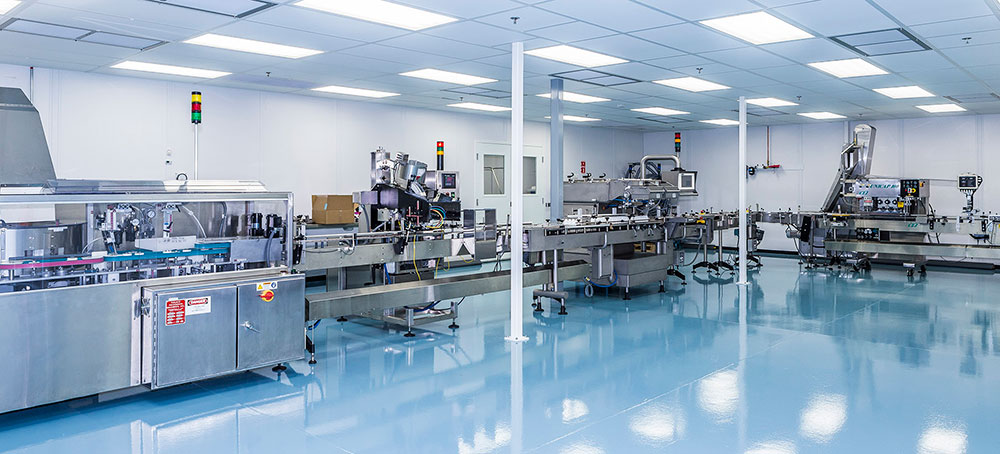
Controlled Batch Production
Quality Gates & Electronic BMR Records1. Client Overview
Manufacturing ProfileRuby Surgical operates in the specialized manufacturing of pharmaceutical-grade cotton products, where manufacturing consistency, raw-material purity, batch traceability, and documented production processes are critical.
The Rigor of Pharmaceutical-Grade Cotton Manufacturing
Unlike standard textile or trading operations, pharmaceutical-grade cotton manufacturing requires a strictly controlled flow of materials from procurement and inward receipt through quality inspection, chemical bleaching/processing, carding, cutting, and packaging.
Every single production batch must be traceable back to the raw cotton lots used, the manufacturing machinery parameters followed, and the chemical/absorbency quality checks performed.
Ruby Surgical therefore required a manufacturing ERP capable of organizing the business around a batch-oriented production process, rather than treating production as a simple stock-in/stock-out transaction. The implementation of Uttercode ERP focused on creating an unbroken digital workflow from the customer order through material planning, procurement, quality inspection, testing, and BOM-based batch production.
2. The Business Requirement
"Every production batch must trace back to its materials and quality test results."
The primary requirement was to establish a connected manufacturing workflow where every stage of production could be tracked, validated, and documented without manual record fragmentation.
Customer Order
Sales OrderProduction Plan
Batch SizingMaterial Plan
BOM BreakdownPurchase Order
Supplier LinkMaterial Inward
Quarantine GRNQuality Check
QC InspectionTest Report
Certificate of TestBOM Production
Material IssueDigital BMR
Batch RecordFinished Goods
Batch StockCUSTOMER REQUIREMENT → SALES ORDER → PRODUCTION PLANNING → MATERIAL PLANNING ↓ PURCHASE ORDER → MATERIAL INWARD → QUALITY INSPECTION → TEST REPORT ↓ QUALITY CLEARANCE → BOM-BASED MATERIAL CONSUMPTION → PRODUCTION ↓ BATCH MANUFACTURING RECORD (BMR) → FINISHED GOODS BATCH STOCK
3. The Challenge Before Digitalization
Pharmaceutical cotton production demands uncompromising quality controls. Disconnected manual processes previously resulted in fragmented data across multiple notebooks, registers, and spreadsheets.
Manual Order & Planning
Production orders were managed manually without direct linkage between sales delivery commitments, machine capacities, and batch priorities.
Unstructured Material Math
Material requirements for cotton, packaging film, and bleaching agents were calculated on paper, leading to shortages or excess idle inventory.
Inward Without Quality Gate
Incoming cotton lots were stored without immediate mandatory digital quality clearance, creating risks of substandard material reaching the shop floor.
Paper-Based Test Certificates
Physical test reports were archived in binders, making it extremely tedious to retrieve inspection records during client audits or regulatory checks.
Unlinked BOM Consumption
Actual shop-floor material consumption was not digitally compared against defined BOM standards, obscuring batch yield and wastage variances.
Missing Batch Traceability
Tracing a finished product box back to its specific raw cotton bale lot and testing certificate required searching through days of physical logs.
4. The Uttercode ERP Approach
Structured Around the Manufacturing & Quality Lifecycle
Uttercode ERP was specifically configured around the manufacturing reality of Ruby Surgical. Instead of treating production as an isolated warehouse entry, the system tightly couples commercial orders with procurement, incoming quality inspection, chemical testing, and BOM-driven production.
This ensures that no raw material enters production without quality clearance, and no finished batch is completed without a comprehensive Batch Manufacturing Record (BMR).
                    CUSTOMER
                       ↓
                  SALES ORDER
                       ↓
              PRODUCTION PLANNING → MATERIAL PLANNING
                       ↓
                PURCHASE ORDER → MATERIAL INWARD
                       ↓
              QUALITY INSPECTION → TEST REPORT
                       ↓
                  BOM-BASED BATCH PRODUCTION
                       ↓
            BATCH MANUFACTURING RECORD (BMR)
                       ↓
                FINISHED GOODS BATCH STOCK
Steps 5 to 8 — Sales Order, Production Planning, Material Planning & BOM
How customer requirements are converted into structured factory orders and precise Bill of Materials recipes.
5. Sales Order
Captures customer details, surgical cotton product specs (absorbent rolls, zig-zag, balls, pads), required quantities, delivery milestones, and specific packaging criteria.
6. Production Planning
Transforms the confirmed Sales Order into a scheduled Manufacturing Requirement, defining target batch sizes, machine lines, shift allocations, and planned dates.
7. Material Planning
Explodes the production requirement through the BOM, comparing required raw materials against current warehouse stock to immediately identify material shortages.
8. Bill of Materials (BOM)
Maintains approved multi-level recipes specifying exact raw cotton grades, bleaching chemicals, paper wraps, corrugated shippers, and packaging consumables.
Steps 9 to 14 — Procurement, Material Inward & Quality Inspection
Establishing an impenetrable quality barrier ensuring only fully inspected and tested raw materials enter production.
9 & 10. Purchase Planning & Purchase Orders
When material shortages are identified during production planning, Uttercode ERP connects production directly with the procurement team:
Purchase Orders contain exact material specifications, supplier details, delivery schedules, and direct references to the linked production batches.
11. Material Inward (Quarantine Receipt)
Upon arrival at Ruby Surgical's warehouse, raw cotton bales and consumables are received through the Inward process:
12. Quality Inspection
QC technicians test incoming cotton against pharmacopeia standards: staple length, moisture content, absorbency, fluorescence, ash content, and water-soluble substances.
13. Test Report Generation
The system generates an official digital Test Report recording material parameters, observed values vs acceptance criteria, test date, and authorized chemist signatures.
14. Quality-Based Material Release
Approved material is released from Quarantine into Available Production Stock. Rejected material is routed to Hold/Return to prevent accidental shop-floor usage.
Steps 15 to 19 — Batch Manufacturing & The BMR
Moving beyond simple unit counting into a complete, compliant Batch Manufacturing Record (BMR) architecture.
15 & 16. Batch Manufacturing Through BOM
Production is executed strictly against predefined Bill of Materials (BOM) recipes, assigned a unique production batch number:
Guarantees that every batch follows standard operating procedures (SOP) with exact material proportions.
17 & 18. Batch Manufacturing Record — BMR
The BMR is the foundation of Ruby Surgical's compliance. Instead of just recording that "1,000 rolls were produced", the BMR captures the entire manufacturing biography:
Sales Order → Production Plan → BOM → Raw Cotton Lot
            ↓
Inward GRN → Quality Inspection → Test Report
            ↓
Material Consumption → Stage Parameters → BMR
            ↓
FINISHED GOODS BATCH WITH FULL TRACEABILITY
19. The 5 Core Sections of Ruby Surgical's Digital BMR
Standardized manufacturing documentation adhering to pharmaceutical quality norms:
- • Batch number
- • Product SKU
- • Production date
- • Planned vs Actual qty
- • Machine line reference
- • Material names
- • Quantity issued
- • Supplier lot numbers
- • Inward GRN references
- • Actual consumption
- • Blowroom & Carding
- • Bleaching & Washing
- • Drying & Rolling
- • Operator names
- • Shift timestamps
- • In-process checks
- • Test report link
- • Absorbency time
- • Chemist sign-off
- • Quality release status
- • Finished quantity
- • Process scrap / trim
- • Rejected units
- • Total batch yield %
- • Finished stock entry
20 to 25. Bidirectional Traceability & Manufacturing Control
Complete forward and backward batch auditing connecting raw material lots with customer shipments.
20 & 21. Bidirectional Batch Traceability
Auditors can trace batches in either direction within seconds:
BACKWARD TRACEABILITY:
Finished Batch (FG-XXXX) → Production BMR → BOM Consumption →
Raw Material Lot (RM-XXXX) → Inward GRN → Test Report → Supplier

FORWARD TRACEABILITY:
Supplier Raw Cotton Lot → Test Report → Quality Passed →
Production Batches Used → Finished Surgical Products Produced
22 & 23. Actual vs Planned Consumption & Wastage
Uttercode ERP compares the planned BOM material consumption against actual shop-floor weight recorded in the BMR:
24. Finished Goods Stock by Batch
Completed products enter warehouse inventory strictly tagged with their Production Batch Number, manufacturing date, and expiry/shelf-life date, ensuring strict First-Expiry-First-Out (FEFO) adherence during dispatches.
25. Quality & Production Connection
Quality is an active operational gate at every stage: Inward → Inspection → Test Report → Material Release → BOM Production → In-Process Check → BMR Closure → Finished Batch.
26. Complete End-to-End Workflow
The complete master architecture connecting customer requirement to batch stock in Uttercode ERP:
                         CUSTOMER
                            │
                            ↓
                       SALES ORDER
                            │
                            ↓
                   PRODUCTION PLANNING
                            │
                            ↓
                    MATERIAL PLANNING
                            │
                            ↓
                    ┌───────┴───────┐
                    │               │
                AVAILABLE        SHORTAGE
                    │               │
                    │               ↓
                    │        PURCHASE ORDER
                    │               │
                    │               ↓
                    │          MATERIAL INWARD
                    │               │
                    └───────┬───────┘
                            ↓
                    QUALITY INSPECTION
                            │
                            ↓
                      TEST REPORT
                            │
                     QUALITY STATUS (ACCEPTED)
                            │
                            ↓
                         BOM
                            │
                            ↓
                      PRODUCTION
                            │
                            ↓
                 MATERIAL CONSUMPTION
                            │
                            ↓
                    BATCH PRODUCTION
                            │
                            ↓
               BATCH MANUFACTURING RECORD (BMR)
                            │
                            ↓
                    FINISHED GOODS
                            │
                            ↓
                     BATCH STOCK
27. From Order to Batch:
Customer Order → Planned Batch → Qualified Materials → BOM-Based Production → Documented Batch
28 & 29. Before vs After Uttercode ERP
A clear contrast between legacy manual paper logs and modern connected batch manufacturing.
28. Before Uttercode ERP
Paper & Spreadsheets
Sales Order (Notebook)
     ↓
Excel Production Planning
     ↓
Manual Material Calculation
     ↓
Purchase Register
     ↓
Inward Register
     ↓
Quality Inspection Log
     ↓
Physical Test Report Binder
     ↓
Production Floor Register
     ↓
Separate Paper BMR
     ↓
Finished Stock Register
Information was scattered across independent documents. Reconciling which cotton lot went into which production batch was slow, labor-intensive, and error-prone.
29. After Uttercode ERP
Connected Batch SystemSales Order ↓ Production Planning → Material Planning ↓ Purchase Order → Inward ↓ Quality Inspection → Test Report ↓ BOM → Batch Production ↓ Digital BMR → Finished Goods Batch Stock
One Connected Manufacturing Lifecycle.
Zero manual transcription. Real-time material verification. Digital test reports and complete batch traceability from raw material bale to customer shipment.
30. Comprehensive Management Visibility
Real-time operational intelligence across every department on a single screen:
31. Important Implementation Scope Boundary
For this particular implementation, customer-facing sales invoices, purchase invoices, receipts, and payment transactions are not part of the client's provided scope.
The exclusive focus of the implemented Uttercode ERP solution is the operational, quality, and manufacturing lifecycle:
32. Business Benefits for Ruby Surgical
10 key strategic and operational improvements realized post-implementation:
1. Structured Production Planning
Customer orders convert directly into defined shop-floor production requirements and machine schedules.
2. Better Material Planning
Required raw materials and chemicals are calculated automatically from production requirements and BOM recipes.
3. Controlled Procurement
Purchase Orders connect to actual material shortage data, avoiding excess stock or production stoppages.
4. Digital Inward Management
Incoming cotton lots are logged with supplier references, weight, and initial condition under quarantine status.
5. Quality Gate Before Production
Mandatory testing and formal test reports ensure unapproved raw cotton never reaches the manufacturing floor.
6. BOM-Based Manufacturing
Batch production follows approved Bill of Materials recipes, guaranteeing consistent product specifications.
7. Batch-Level Traceability
Bidirectional traceability links raw cotton lots, quality test records, production steps, and finished batches.
8. Digital BMR Records
Batch Manufacturing Records are generated automatically, eliminating manual compilation during client audits.
9. Planned vs Actual Analysis
Material consumption and production quantities are compared to track fiber yield and reduce process scrap.
10. Centralized Visibility
Management accesses live production, stock, purchase, and QC status across the plant from one unified system.
33. Moving from Document-Based to Connected Batch Management
The biggest transformation for Ruby Surgical is the move from document-based manufacturing management to connected batch manufacturing management.
The ERP does not simply record production after it happens. It connects the entire chain: Customer Requirement → Sales Order → Production Planning → Material Planning → Procurement → Inward → Quality Inspection → Test Report → BOM → Batch Production → BMR → Finished Goods.
Connected Manufacturing Chain
Zero manual transcription. Total audit readiness. Absolute batch integrity.
34. Ruby Surgical + Uttercode ERP
Ruby Surgical's implementation demonstrates how a specialized manufacturing organization can use ERP technology to establish a structured, batch-oriented production workflow.
Starting from confirmed Sales Orders through material planning, Purchase Orders, Inward receipt, and quality release, production is executed strictly through defined Bills of Materials.
The resulting manufacturing activity is permanently documented through a digital Batch Manufacturing Record (BMR), connecting the production batch with its material consumption, manufacturing information, and quality references.
From Customer Order to Controlled Batch Manufacturing
Uttercode ERP gives Ruby Surgical a structured foundation designed around traceability, controlled material flow, structured production, and batch-level manufacturing records.
Plan. Procure. Inspect. Manufacture. Trace.
Sales Order → Material Planning → Quality → BOM → Production → BMR → Finished Batch
For organizations where manufacturing quality and batch traceability matter, Uttercode ERP provides an uncompromising foundation for connecting the complete production lifecycle.
Explore More Manufacturing & Healthcare Case Studies
View All Case Studies →
Padmavati Packaging
Automated quotation calculation from box dimensions & paper combinations.
Read Case Study →
Shahu Maharaj Hospital
Hospital operations digitalization unifying registration, OPD, EMR, IPD & labs.
Read Case Study →